
Elevate Your Listening Experience With Cutting-Edge Home Audio Systems
In today’s world, where entertainment is a key aspect of home comfort, owning the best home audio system becomes paramount. Modern audio solutions are designed not only to deliver high-fidelity sound but also to integrate seamlessly with various smart home devices. These systems are engineered to cater to diverse listening preferences, allowing you to immerse yourself in music, films, and games as never before.
Understanding What Makes an Audio System the Best
Choosing a home audio system can be a daunting task given the plethora of options available. Several crucial factors should be considered to ensure that you invest in a system that meets your specific needs. At the core of a top-tier audio system is sound quality. Audiophiles often look for clarity, bass, balance, and minimal distortion. Speakers, which are central to any audio setup, must be capable of handling a comprehensive range of frequencies to render soundscapes accurately.
Moreover, room acoustics play a pivotal role in sound dispersion. A high-quality audio system should ideally include options to tweak sound settings to accommodate room-specific acoustic variances. Integration capabilities with smart home technology, wireless streaming services, and easy connectivity options are also vital components.
Components of a High-End Home Audio System
When discussing the essential components of an audio setup, several elements come into play:
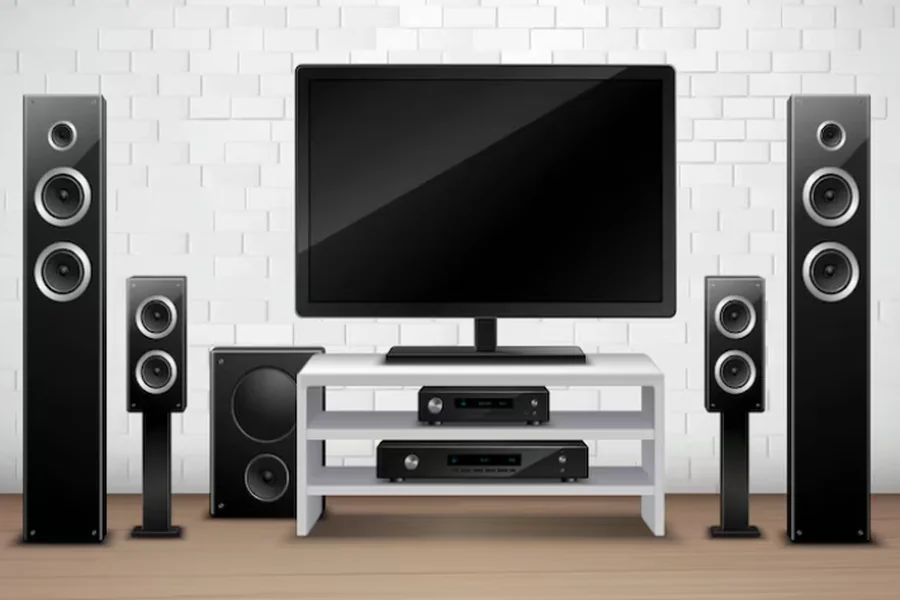
- Speakers: These determine the primary sound quality. Options vary from bookshelf speakers to floor-standing behemoths. Each type has its advantages, with larger systems generally producing more robust soundscapes.
- Receivers: These are critical for managing audio inputs from various source devices, like Blu-ray players or gaming consoles. A premium receiver can transform digital signals into high-quality audio output.
- Subwoofers: For those who enjoy deep bass, a subwoofer is indispensable. It enhances the lower frequencies, adding depth and dimension to the listening experience.
- Amplifiers: These boost the audio signal, ensuring that the speakers have enough power to produce dynamic range and impact.
Feature-Rich Systems for the Modern Home
Today’s audio systems often boast advanced features that cater to the needs of modern households. Wireless connectivity is nearly ubiquitous, with Bluetooth and Wi-Fi-enabled systems allowing for seamless streaming from smartphones and computers. Smart compatibility is another desirable feature, with systems integrating with voice-controlled assistants like Alexa or Google Home, offering a level of interaction and hands-free control previously unimaginable.
Moreover, soundbar systems have gained popularity for their sleek design and ability to deliver powerful sound without the need for bulky speakers. These are especially appreciated in minimalist home settings where space conservation is essential.
The Importance of Versatility and Compatibility
One of the key selling points of a top-tier home audio system is its versatility. Whether you are entertaining guests, enjoying a solo evening of music, or watching the latest blockbuster, the system should adjust to each scenario seamlessly. Compatibility with the latest surround sound formats, such as Dolby Atmos, can create an enveloping experience that adds realism and immersion.
Furthermore, multi-room audio capabilities allow music to follow you throughout the house, controlled via smartphone apps or dedicated remotes. Such features ensure that the audio system is not just a standalone device but an integral part of a smart home ecosystem.
Innovations Driving the Audio Experience Forward
The evolution of home audio systems continues with significant advancements in technology and consumer demand driving innovation. Wireless speaker technology has seen leaps in both audio quality and usability, with companies capitalising on the reduction of cable clutter.
Another notable advancement is in the acoustic calibration technology, which allows systems to be automatically adjusted according to the acoustic properties of the room. This ensures optimal sound quality tailored to specific environments, improving user experience without requiring manual adjustments.
Aesthetics and Design Considerations
The visual design of a home audio system can be as important as its sound quality, especially for those with an eye on interior aesthetics. Modern systems come in various finishes and designs, from sleek and contemporary to retro-inspired models. The choice depends on personal taste and the overall design ethos of a home.
Some systems are designed to be discreet, blending into living spaces without drawing attention. Others are showpieces, with their design meant to attract admiring glances and conversations.
Customising Your Audio Experience
For audiophiles, customisation is key. High-end systems offer opportunities for personalised settings, from EQ adjustments to personalised sound profiles. This level of control allows users to create a tailored listening experience, whether they prefer a concert-like atmosphere or intimate acoustic sessions.
Innovative systems also offer user-friendly interfaces, both in hardware and accompanying software. This enhances accessibility, allowing even the less technologically inclined to make use of advanced features with ease.
Environmental and Sustainability Aspects
As consumers become more environmentally conscious, the demand for sustainable audio systems rises. Manufacturers are responding with innovations that reduce energy consumption and improve product life cycles. Sustainable practices in production and materials sourcing are increasingly common, reflecting a shift towards more environmentally responsible high-quality devices.
Recyclable components and energy-saving modes are now standard in the design of premium home audio systems, ensuring that the auditory experience does not come at the expense of the planet.
Conclusion
From immersive sound reproduction to seamless smart home integration, selecting the best home audio system involves scrutinising various aspects and making informed choices based on individual requirements. With advancements continually enhancing the listening experience, the right system can transform how you engage and interact with sound.