
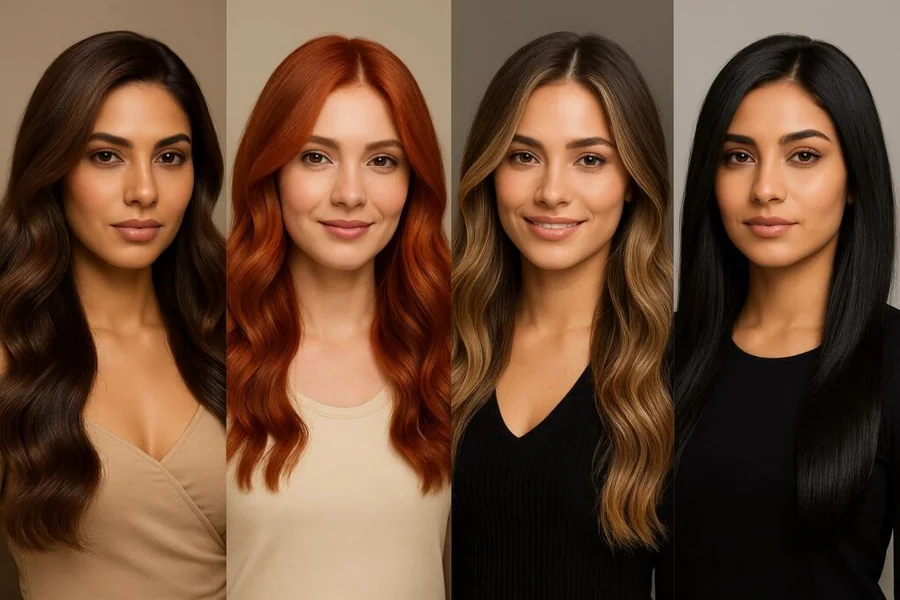
The Biggest Hair Colour Trends to Watch in Singapore 2026 Guide
Hair colour in Singapore is becoming less about choosing a single fashionable shade and more about creating dimension, movement and a personalised finish. In 2026, people are looking beyond dramatic transformations and considering how a colour will work with their natural features, hair condition and daily routine. Choosing the right hair salon singapore can therefore involve more than finding a stylist who understands current trends; it also means finding someone who can adapt colour techniques to the local climate and individual hair characteristics.
Singapore’s humidity, strong sunlight, frequent washing and air-conditioned environments can all influence how coloured hair looks and feels. A shade that appears glossy and vibrant immediately after an appointment may fade, become brassy or feel dry if it is not supported by suitable aftercare. This year’s biggest trends reflect that reality, with blended blondes, dimensional brunettes, soft fashion colours and customised highlighting techniques offering ways to achieve fashionable results without ignoring long-term hair health.
1. Lived-In Blonde for Softer Regrowth
Blonde remains one of the most requested colour families, but the emphasis has shifted towards softer and more natural-looking results. Lived-in blonde combines lighter lengths with a carefully blended root area, creating less obvious contrast as the hair grows.
This approach can be useful for people who like bright hair but do not want to maintain a freshly lightened root every few weeks. The colourist can adjust the brightness according to the client’s natural base and desired level of contrast.
A lived-in blonde may incorporate:
- Beige or creamy blonde
- Soft ash blonde
- Face-framing brightness
- Subtle root shadowing
- Balayage or foil-based highlights
The result is usually more adaptable to everyday styling than a completely uniform blonde.
2. Dimensional Brunette and Mocha Tones
Not every transformation needs bleach. Rich brunette shades are becoming increasingly sophisticated, with mocha, chocolate, espresso and softer brown tones creating depth without looking flat.
Dimensional brunette works particularly well when several related shades are incorporated into the colour rather than applying one solid tone from root to tip. Fine lighter pieces can create movement around the face or through the lengths.
For Singapore’s busy lifestyle, this can also be a practical choice. Clients who want colour but prefer less intensive maintenance may find a dimensional brown easier to manage than a high-lift blonde.
3. Milk Tea and Beige-Brown Colour
Milk tea-inspired shades continue to attract attention because they sit comfortably between warm brunette and lighter beige tones. Depending on the starting colour, the result can lean towards creamy, neutral, cool or slightly warm.
The challenge is achieving the correct balance. On darker hair, lightening may be required before the desired beige tone can be created. On previously coloured hair, the existing pigment can also influence the final result.
This is why reference photographs should be treated as inspiration rather than a guarantee. A professional consultation can establish what is realistically achievable from the current hair colour.
4. AirTouch Balayage for Seamless Dimension
Balayage remains popular, but more refined techniques are giving clients greater control over how highlights blend into the natural base. AirTouch balayage is designed to create soft transitions by using controlled airflow to separate shorter strands before selected sections are lightened.
The technique can produce a diffused appearance with less obvious lines between darker roots and lighter lengths. It can also be customised according to hair density, texture and the desired amount of brightness.
Blonde & Pastel Hair Salon currently offers AirTouch balayage alongside traditional balayage, foilayage and other highlighting services, with its colour approach centred around personalised consultation and assessment.
5. Face-Framing Highlights
Face-framing colour is another trend that can create a noticeable difference without requiring an entire head of highlights. Lighter pieces are strategically positioned around the front sections to draw attention towards the face.
The effect can range from extremely subtle to highly contrasted. Fine highlights can produce a soft glow, while bolder sections create a stronger fashion statement.
Placement should be considered alongside the haircut. Layers, fringe and face shape can all influence where the lighter sections will have the greatest visual impact.
6. Foilayage for Brighter Results
For clients who want more brightness than traditional balayage can provide, foilayage offers another option. It combines elements of hand-painted colour with foil processing to achieve stronger lift while retaining a blended appearance.
This can be useful for people who want a brighter blonde but do not necessarily want a solid colour from root to tip.
The technique still requires careful assessment, particularly if the hair has been previously bleached. Hair condition should always influence how aggressively a colourist approaches lightening.
7. Soft Pastels and Creative Shades
Pastel colours continue to provide an alternative for clients who want something more expressive. Soft pink, lavender, peach, pale blue and other muted shades can be used across the whole head or incorporated selectively.
Pastel colour does require realistic expectations. Many delicate shades need a sufficiently light base, meaning darker hair may need to undergo controlled pre-lightening first.
Hair condition becomes particularly important at this stage. Repeated bleaching can increase porosity and make hair more vulnerable to dryness and breakage, so the colour plan should include appropriate strengthening and conditioning support.
8. Peek-a-Boo Colour for Subtle Experimentation
Not everyone wants vibrant colour to dominate their entire appearance. Peek-a-boo or hidden colour places brighter shades beneath the upper layers, allowing them to appear more clearly when the hair moves or is tied up.
This can be an appealing option for people who want creative colour while retaining a relatively conventional appearance for work or formal occasions.
The technique can also be adapted to different colour preferences. A client might choose pastel pink, vivid purple, blue, copper or another fashion shade depending on the desired level of contrast.
9. Cherry, Copper and Warm Red Tones
Red-based shades are also gaining attention, from deep cherry and burgundy to copper and auburn. These colours can create considerable visual impact without requiring the extremely light base associated with some pastel or platinum looks.
The exact shade should be selected according to the existing hair colour and desired maintenance level. Red pigments can also change noticeably as they fade, so colour-safe products and sensible washing habits become particularly important.
For a softer effect, warm red can be incorporated through selected highlights rather than applied uniformly.
How Singapore’s Climate Affects Hair Colour
Singapore’s tropical conditions can make colour maintenance more demanding. Humidity may increase frizz, while perspiration and frequent washing can affect how long a colour remains fresh.
Sun exposure can also influence colour vibrancy, particularly when hair has already been lightened. At the other extreme, prolonged exposure to air-conditioning can make dry lengths feel less comfortable.
A sensible routine should therefore address both the colour and the condition of the hair.
| Common concern | Practical approach |
| Fading | Use products designed for coloured hair |
| Brassiness | Use a suitable toning routine recommended by a stylist |
| Dry ends | Apply regular conditioning or restorative treatments |
| Humidity-related frizz | Use lightweight smoothing products |
| Heat damage | Apply heat protection before styling |
| Sun exposure | Protect hair during prolonged outdoor activities |
Choosing Colour According to Your Hair Condition
The shade you want is only one part of a successful colour appointment. Your current hair condition can determine which techniques are appropriate and whether the transformation should happen in one session or gradually.
Previously bleached hair, repeated colouring, chemical straightening and other treatments can affect porosity and strength. Trying to lift heavily processed hair too quickly may increase the risk of breakage.
A good consultation should consider your:
- Natural hair colour
- Previous colour history
- Hair texture and density
- Porosity and overall condition
- Desired shade
- Maintenance expectations
- Daily styling habits
This assessment allows the colourist to distinguish between what is desirable and what is realistically achievable without unnecessarily compromising hair health.
Why Professional Colour Consultation Matters
Colour consultation has become particularly important as techniques become more customised. Two clients may request the same blonde shade but require completely different processes because their starting colours and hair histories are different.
Blonde & Pastel Hair Salon describes a consultation process that considers factors such as natural pigment, hair texture, skin tone, previous colour and desired result before recommending a colouring technique. Its current services include highlights, balayage, AirTouch, foilayage, non-bleach colour, blonde colouring, pastel colouring and peek-a-boo colour.
The salon also offers K18 and Olaplex options as bond-building support during selected colouring services. These treatments are particularly relevant when clients are pursuing significant lightening or other chemical colour work where maintaining hair strength is an important consideration.
Hair Colour Aftercare in Singapore
Even the most carefully executed colour needs suitable maintenance at home. Washing too frequently, using very hot water and applying high heat repeatedly can all contribute to fading or dryness.
Try to wash only as often as your scalp requires and select products designed for your colour and hair condition. Conditioner should be applied particularly carefully to the mid-lengths and ends if they have been lightened.
Heat protection should also become a regular part of styling. This is especially important for blondes and pastel colours because previously lightened hair may be more vulnerable to dryness.
If your colour requires toning, follow a professional recommendation rather than repeatedly applying purple, blue or other pigment-heavy products without guidance. Over-toning can sometimes alter the intended shade.
When Should You Refresh Your Colour?
There is no universal appointment schedule because different techniques have different maintenance requirements. A lived-in balayage may grow out gradually, while a vivid fashion shade can require more frequent refreshing.
Your colourist may recommend a combination of services rather than repeating a complete colour transformation each time. A toner, gloss, root refresh or targeted highlight appointment may sometimes be enough to revive the appearance.
This approach can also help avoid unnecessary chemical processing and keep the overall condition of the hair in better shape.
Final Thoughts
The biggest hair colour trends to watch in Singapore in 2026 are centred on personalised results rather than one universal shade. Lived-in blondes, dimensional brunettes, milk tea tones, AirTouch balayage, foilayage, face-framing highlights, copper shades and soft pastels all offer different ways to refresh your appearance. The most suitable option depends on your starting colour, hair condition, lifestyle and willingness to maintain the result.
Singapore’s climate makes this personalisation even more important. Humidity, frequent washing, heat and sun exposure can influence both colour longevity and hair condition, so aftercare should be considered before the colouring process begins. If you are exploring blonde, pastel, balayage, highlighting or restorative options, blondeandpastelhairsalon.sg provides a useful reference for the professional colouring and treatment services available in Singapore. The right colour should not only look impressive after the appointment; it should remain manageable, flattering and healthy-looking as it grows and changes.
Frequently Asked Questions
1. What hair colour trends are popular in Singapore in 2026?
Lived-in blondes, dimensional brunettes, milk tea tones, face-framing highlights, AirTouch balayage and soft fashion colours are among the key looks being explored this year. Copper, cherry and other warm red shades also offer noticeable alternatives.The most suitable trend depends on the individual’s natural hair, skin tone and lifestyle. A professional consultation can help adapt a trend instead of copying a reference photograph exactly.
2. Is balayage easier to maintain than full-head blonde?
Balayage can be easier to maintain because the colour can be blended into the natural root area rather than creating a strong line of regrowth. The exact maintenance schedule depends on how light the highlights are and how quickly the client’s hair grows. A lived-in balayage can allow longer periods between major colour appointments. Occasional toning or refreshing may still be useful to maintain the desired shade.
3. Can I have pastel hair if my natural hair is dark?
Pastel shades generally need a sufficiently light base to appear clear and delicate. Dark natural hair may therefore require pre-lightening before the pastel colour is applied. The process should be planned according to the condition of the hair. In some cases, achieving the desired lightness gradually over multiple appointments may be more appropriate than attempting an aggressive transformation in one session.
4. How can I prevent my hair colour from fading in Singapore?
Start by avoiding unnecessary washing and very hot water. Use colour-safe products and apply conditioner regularly, particularly if your hair has been bleached or lightened. Heat protection is important when using hairdryers, straighteners or curling tools. Protecting the hair from prolonged sun exposure can also help reduce the effects of environmental stress on colour and dryness.
5. Does bleaching always damage the hair?
Lightening is a chemical process that can affect the structure and condition of the hair, but the extent depends on factors such as the starting colour, processing method, previous treatments and overall hair health. A professional colourist can assess whether the hair is suitable for the desired level of lightening and recommend a more gradual approach when necessary. Bond-building and restorative treatments may also be incorporated where appropriate to support chemically treated hair.

One Comment