
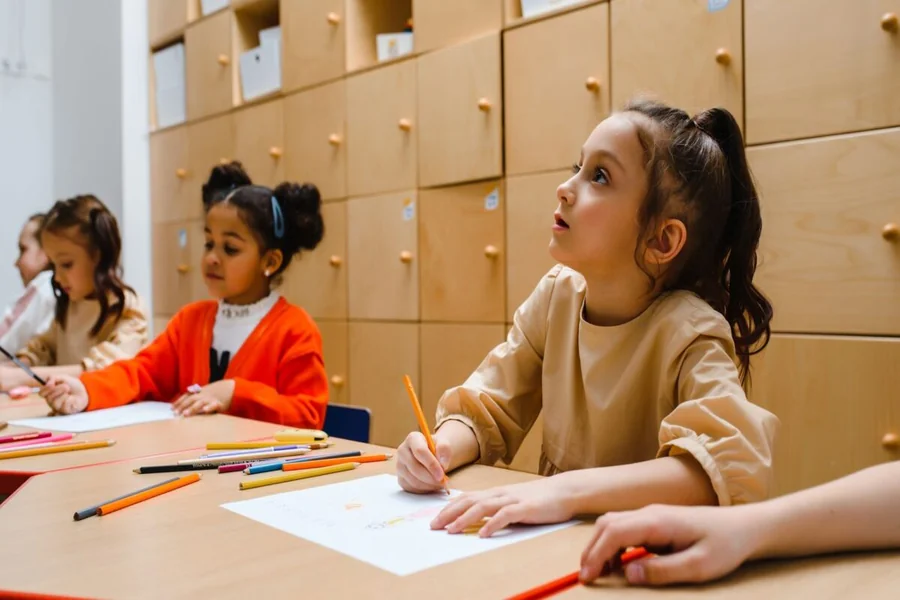
How to Choose the Right Early Learning Environment for Young Children
The early years of childhood play an important role in shaping how children communicate, interact with others, and understand the world around them. During this period, children develop essential skills through everyday experiences, play, observation, and interaction with their surroundings. Providing a supportive learning environment can help them build confidence and develop at a pace that suits their individual needs.
For parents, choosing an appropriate preschool or early learning programme involves more than comparing locations, facilities, and daily schedules. It is equally important to understand the teaching approach, the experience of educators, and the level of individual attention children receive. These considerations become particularly important when a child has different developmental or learning requirements. Parents can also find helpful family and lifestyle insights at Morningslif.
- Understand Your Child’s Individual Learning Needs
Every child develops differently. Some children begin communicating verbally at an early age, while others may require additional time and support to develop language and social interaction skills. Similarly, children can have different approaches to understanding instructions, participating in group activities, and adapting to new environments.
Parents should consider their child’s strengths, interests, and areas where additional guidance may be beneficial. Observing how a child responds to different activities can provide useful information when evaluating suitable learning environments.
For example, some children may enjoy structured activities with clear instructions, while others may respond better to interactive play and flexible learning experiences. Understanding these preferences can help parents identify programmes that offer an appropriate balance between structure and exploration.
It is also helpful to speak with educators or relevant professionals who understand early childhood development. Their observations can provide additional perspectives and help families make informed decisions about the type of support their child may need.
- Look for a Safe and Supportive Learning Environment
A preschool should provide an environment where children feel comfortable exploring, participating, and interacting with others. Physical safety is important, but emotional security is equally valuable.
Children are more likely to engage in learning activities when they feel accepted and supported. Educators who respond patiently to questions, recognise individual differences, and encourage positive interactions can help create a welcoming atmosphere.
Parents should consider class sizes, classroom organisation, available learning materials, and the overall approach to supervision. Smaller learning groups may allow educators to observe children more closely and provide additional guidance when necessary.
It is also worth visiting the centre before making a decision. Observing classroom interactions can help parents understand how teachers communicate with children and manage everyday activities.
A well organised learning environment should encourage curiosity without placing unnecessary pressure on children to achieve specific outcomes at the same pace.
- Understand the Importance of Early Intervention
Early intervention refers to support provided during the early stages of childhood when developmental differences or learning difficulties are identified. The purpose is to help children develop important skills through appropriate guidance and structured activities.
Depending on individual requirements, support may involve communication development, social interaction, behavioural strategies, motor skills, or everyday independence.
Parents may notice certain differences in how their children communicate, respond to instructions, interact with other children, or manage daily routines. These observations do not necessarily indicate a particular condition, but discussing concerns with qualified professionals can help determine whether further assessment or support is appropriate.
Early intervention programmes can provide opportunities for children to practise important skills in a structured and supportive setting. Consistent participation, suitable learning activities, and communication between educators and families can help make these experiences more meaningful.
The specific approach should always reflect the child’s individual needs rather than relying on a standard programme for everyone.
- Consider the Role of Play in Early Childhood Education
Play is an essential part of how young children learn. Through activities such as building blocks, puzzles, drawing, storytelling, and pretend play, children explore ideas and develop different abilities.
Play based learning also creates opportunities to practise communication and social interaction. For instance, participating in a group activity can encourage children to take turns, share materials, follow simple instructions, and understand the perspectives of others.
For children who require additional developmental support, play can provide a comfortable way to practise new skills without making learning feel overly formal.
A balanced early learning programme should include both structured activities and opportunities for independent exploration. Educators can introduce specific learning objectives while allowing children to engage with materials and activities according to their interests.
Parents looking at specialised early childhood education options may also explore organisations such as The Growing Academy, where therapy integrated learning and individualised educational support form part of the preschool approach.
- Evaluate the Experience and Qualifications of Educators
Teachers and educational professionals have a significant influence on a child’s early learning experience. Their ability to recognise individual needs, communicate effectively, and create positive relationships can make a meaningful difference in the classroom.
When evaluating a preschool, parents should ask about the qualifications and training of its educators. This is particularly relevant when considering programmes that support children with developmental or learning differences.
Depending on the services offered, a centre may have professionals with experience in special education, applied behaviour analysis, speech therapy, or occupational therapy.
However, qualifications alone should not be the only consideration. Parents should also understand how educators work with children during everyday activities, communicate progress, and respond when a child encounters difficulties.
A supportive teaching team should be willing to explain its approach and discuss how learning activities are adapted to suit different developmental requirements.
- Look for Individualised Learning Plans
Children do not always respond to the same teaching methods or activities. An individualised learning plan can help educators organise suitable learning objectives based on a child’s current abilities, strengths, and developmental requirements.
Such plans may include goals related to communication, social participation, academic readiness, or daily living skills. Progress can then be reviewed periodically, allowing educators to adjust activities when necessary.
Parents should ask how learning goals are established and whether they are discussed with families. Regular communication helps ensure that the strategies used in the classroom can also be supported through everyday routines at home.
It is important to remember that progress may look different for every child. Some children may develop certain skills quickly, while others require repeated practice and additional encouragement.
The focus should be on meaningful development rather than comparing children against one another.
- Encourage Learning Beyond the Classroom
A child’s development does not stop when the school day ends. Everyday experiences at home can provide valuable opportunities to practise skills introduced during preschool activities.
Simple routines such as getting dressed, organising toys, preparing for meals, and following basic instructions can encourage independence. Reading together, playing games, and having conversations can also support communication and interaction.
Parents can work with educators to understand which activities may be helpful at home. Consistency between school and family routines can make it easier for children to practise new skills in different environments.
It is equally important to provide children with opportunities to explore their interests. Activities involving music, art, outdoor play, and imaginative games can encourage creativity and help them discover new abilities.
Families should maintain realistic expectations and recognise that learning takes time. Positive encouragement and patient guidance can help children feel confident as they develop.
- Prepare for the Next Stage of Education
Preschool is also an important stage for developing skills that support the transition into primary education. Children gradually become familiar with classroom routines, group activities, basic academic concepts, and greater independence.
For some children, this transition may require additional preparation. They may benefit from opportunities to practise following instructions, communicating with teachers, interacting with classmates, and managing everyday classroom expectations.
Parents should ask prospective centres how they support school readiness and whether learning activities are adjusted according to each child’s development.
A good transition plan should consider more than academic preparation. Social confidence, emotional readiness, communication, and practical independence are also important parts of the process.
Working together with educators can help parents understand what their child has achieved and identify areas where further support may be useful.
Conclusion
Choosing an early learning environment is an important decision that deserves careful consideration. Parents should look beyond facilities and schedules to understand the teaching philosophy, educator qualifications, individual attention, and opportunities for developmental support. A nurturing environment that recognises individual differences can help children build confidence, develop essential skills, and prepare for future learning experiences.
Exploring suitable early childhood education programmes, including those offered by The Growing Academy, can help parents better understand the different approaches available for supporting children’s learning and development. Ultimately, the right environment is one where children feel safe, encouraged, and supported as they discover their abilities and progress at their own pace.