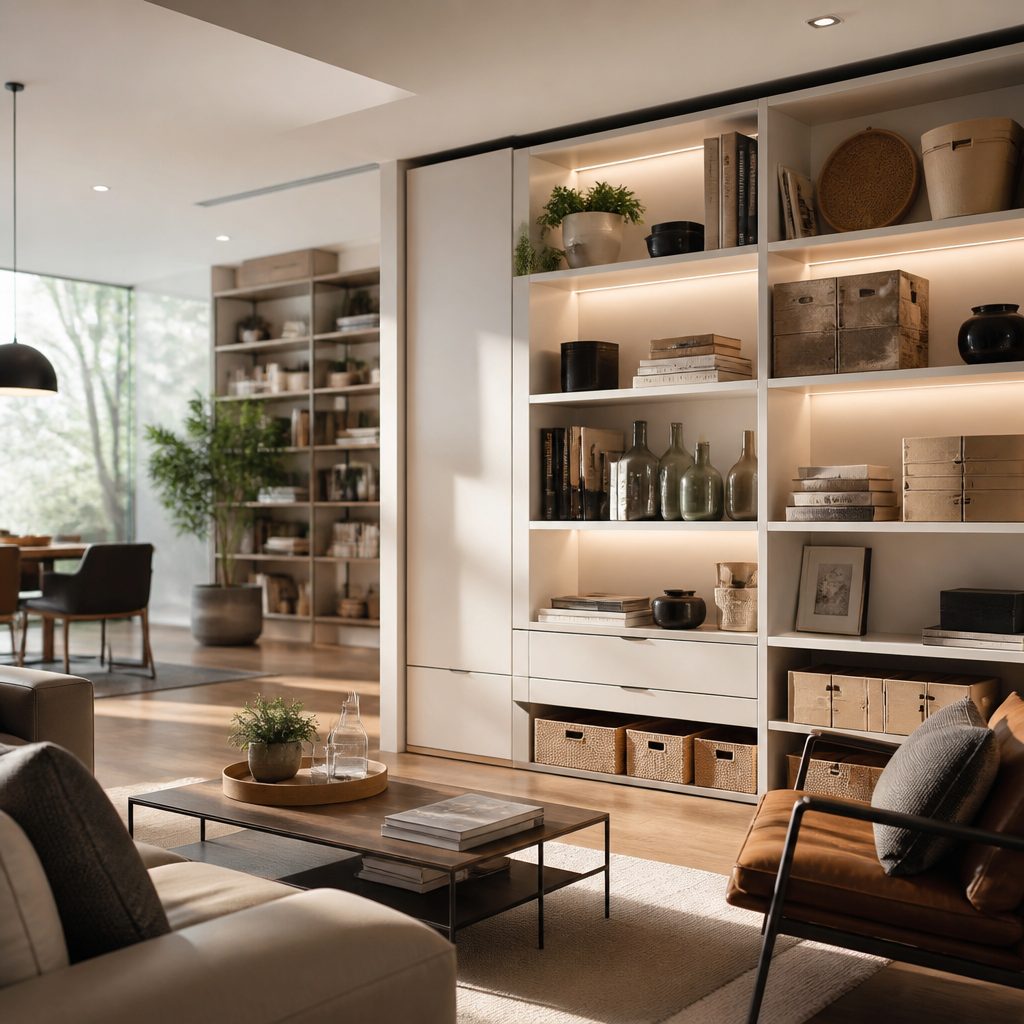
Transform Your Space: Strategic Home Organization for Modern Living
The way we organize our homes directly impacts our daily productivity, mental clarity, and overall quality of life. In an era where remote work and multifunctional spaces have become the norm, creating organized environments is no longer just about aesthetics—it's about designing systems that support how we actually live. Whether you're dealing with a cramped apartment or a sprawling house, the principles of effective organization remain consistent: maximize space, minimize clutter, and create sustainable habits that last beyond the initial cleanup.
Understanding the Psychology of Clutter
Before diving into organizational strategies, it's essential to understand why clutter accumulates in the first place. Research shows that disorganization often stems from emotional attachment to possessions, decision fatigue, or simply lacking the right systems to maintain order. Many people hold onto items "just in case" or because they represent memories, even when those items no longer serve a practical purpose. Breaking free from clutter requires acknowledging these psychological barriers and developing a more intentional relationship with our belongings.
The concept of "organized living" extends beyond simple tidiness. Solutions from companies like Organized Living demonstrate how purposeful storage systems can transform chaotic spaces into functional zones that adapt to your lifestyle. When every item has a designated home and storage solutions are tailored to specific needs, maintaining order becomes effortless rather than exhausting. This shift from reactive cleaning to proactive organization marks the difference between temporary tidiness and lasting transformation.
Room-by-Room Organization Strategies
Kitchen and Pantry Optimization
The kitchen serves as the heart of most homes, making its organization particularly impactful. Start by grouping similar items together—baking supplies in one zone, cooking oils and spices in another, and breakfast items easily accessible. Utilize vertical space with stackable containers and shelf risers. Clear containers allow you to see inventory at a glance, reducing food waste and duplicate purchases. Deep drawers benefit from dividers that keep utensils separated, while pull-out organizers make corner cabinets accessible. According to organizing experts, the key is creating zones based on workflow—preparation areas near cutting boards, cooking essentials by the stove, and cleaning supplies under the sink.
Bedroom and Closet Systems
Closets often become dumping grounds rather than functional storage spaces. Begin by removing everything and sorting items into keep, donate, and discard categories. The 80/20 rule typically applies—we wear 20 percent of our clothes 80 percent of the time. Once you've curated your wardrobe, implement a system that makes daily selection effortless. Organize clothes by category first, then by color within each category. Invest in uniform hangers to maximize space and create visual cohesion. Utilize the full height of closets with double hanging rods for shorter items, and reserve upper shelves for seasonal or occasional-use items. Drawer organizers prevent socks and undergarments from becoming tangled messes.
Home Office and Paper Management
As remote work continues to blur the lines between professional and personal spaces, organized home offices have become essential. Designate specific zones for different activities—a focused work area, a creative space for brainstorming, and a filing system for paperwork. Digital organization is equally important; maintain a clean desktop with folders that mirror your physical filing system. For paper documents, implement a "touch it once" policy—decide immediately whether to file, act on, or discard each item. Scan important documents to create digital backups, reducing physical storage needs while improving accessibility.
Storage Solutions for Every Situation
Sometimes, home organization requires thinking beyond permanent fixtures. Seasonal items, hobby supplies, and transitional belongings often need temporary or flexible storage solutions. For those between moves, downsizing, or simply lacking sufficient space, exploring portable storage options can provide the breathing room needed to properly organize remaining possessions. These services offer the flexibility to store items off-site temporarily while you renovate, declutter methodically, or determine what truly deserves space in your daily environment.
The advantage of portable storage extends beyond mere capacity. By removing items you're uncertain about from your immediate space, you gain perspective on what you actually need and use. If you don't miss something after three months in storage, that's a clear signal it's time to let it go. This approach prevents the paralysis that comes from making too many decisions at once, allowing you to organize your active living space first and address stored items later with fresh eyes.
Creating Sustainable Organizational Habits
The most beautifully organized space will quickly deteriorate without systems to maintain it. Sustainable organization isn't about perfection—it's about creating realistic routines that fit your lifestyle. Implement a "one in, one out" rule for new purchases, ensuring your possessions don't exceed your storage capacity. Dedicate ten minutes each evening to resetting common areas, preventing small messes from becoming overwhelming projects. Schedule quarterly reviews of each space, adjusting systems as your needs evolve.
Involve all household members in maintaining organization. Children should understand where their belongings live and participate in cleanup routines appropriate to their age. Partners should agree on shared systems and respect each other's organizational preferences in personal spaces. When everyone contributes to maintaining order, the burden doesn't fall on one person, and organizational systems become truly sustainable.
The Role of Professional Organization Systems
While DIY organization works for some, professionally designed systems offer advantages that generic solutions cannot match. Custom closet systems, for instance, are engineered to maximize every inch of available space while accommodating your specific wardrobe and storage needs. Adjustable shelving, specialized compartments for accessories, and integrated lighting transform closets from basic storage into functional dressing rooms. Similarly, garage organization systems with wall-mounted panels, overhead storage, and workbench integration create purposeful zones for tools, sports equipment, and seasonal items.
Professional systems also consider long-term durability and flexibility. Quality materials withstand daily use without warping or breaking, and modular designs adapt as your needs change. Whether you're expanding your wardrobe, starting a new hobby, or transitioning through different life stages, well-designed organizational infrastructure evolves with you rather than requiring complete replacement.
Conclusion: Organization as a Lifestyle Investment
Transforming your home into an organized sanctuary is not a one-time project but an ongoing investment in your wellbeing. The time saved searching for misplaced items, the stress reduced by orderly environments, and the mental clarity gained from decluttered spaces compound over months and years. By implementing strategic storage solutions, creating purposeful zones for different activities, and maintaining sustainable organizational habits, you establish a foundation for a more intentional, productive, and peaceful life. The journey toward organized living begins with a single decision to prioritize your space and, by extension, your quality of life.