Home Improvement Projects Worth Doing in 2026
Home improvement in 2026 isn’t about the fashion of the moment, but about making your home more efficient for your lifestyle, last for a long time and help you save money. The projects that are doing well this year focus on energy efficiency, smart technology and longevity – the kind of features that should make the money, rather than ticking off a pretty list for a year. Finally, it will depend on your budget, the age of your home and how long you intend to live in it. However, there are still some categories that repeat themselves and they are not to be ignored before you grab a hammer.
Why Priorities Are Shifting This Year
A few years back, homeowners were obsessed with cosmetic stuff — accent walls, open shelving, whatever was trending on social media. That’s changed. Energy costs have crept up, weather has gotten less predictable, and people are tired of watching money disappear into utility bills every month.
Material prices have leveled off some too, compared to the spikes we saw not long ago. That freed up room in a lot of budgets for mid-size projects that got shelved during the expensive years — insulation, windows, that kind of thing.
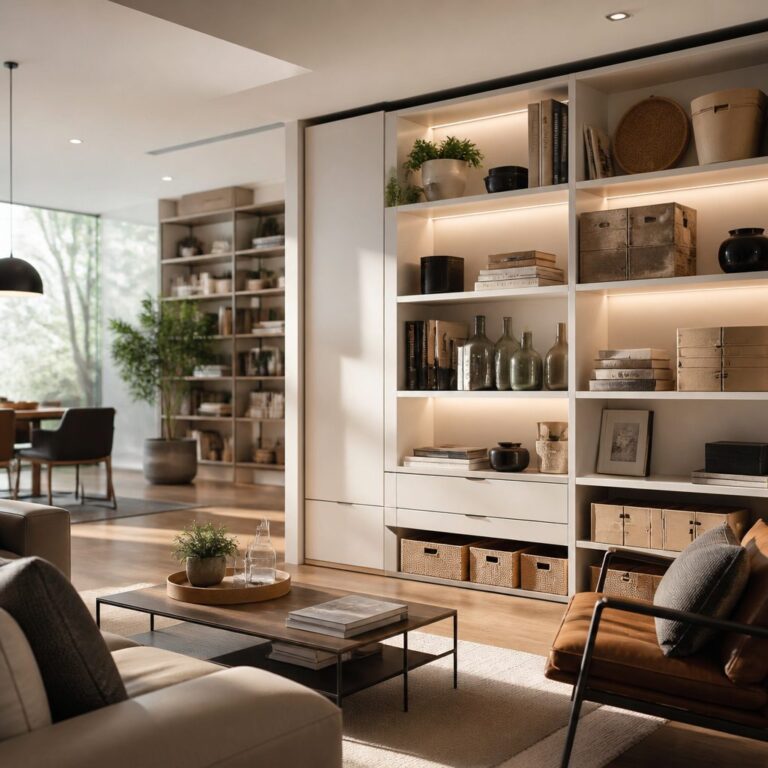
There’s also a practical angle nobody talks about enough: rooms need to do more than one job now. A spare bedroom becomes an office three days a week. A garage turns into a workshop and storage all at once. Renovation decisions in 2026 reflect that flexibility more than they reflect trends.
Energy Efficiency Upgrades That Actually Pay Off
This is where the real return sits. These aren’t flashy projects, but they quietly save you money every single month, and some qualify for rebates or tax credits depending on where you live.
- Insulation — attics and walls, especially in older homes, leak heat like crazy. Fixing this is one of the cheaper projects on the list and often pays for itself within a year.
- Windows — double or triple-pane with low-E coatings cut down heat transfer noticeably. Pricier upfront, but if your windows are original to the house, it’s usually worth it.
- Heat pumps — they’ve gotten a lot better in recent years. One system handles heating and cooling, so you’re not maintaining two.
- Smart thermostats — the cheapest entry point here. It learns your habits and adjusts on its own, and most people see 10–15% savings on heating and cooling.
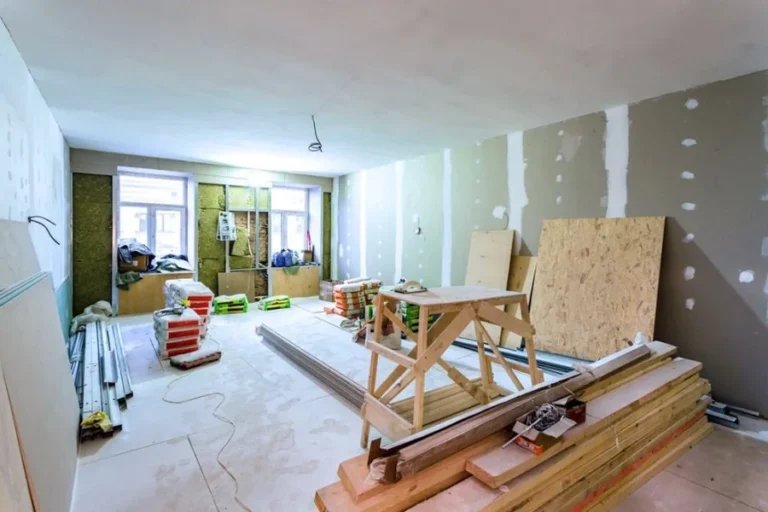
None of this requires tearing your house apart. You can knock these out room by room, on your own timeline, without draining your savings in one go.
Kitchen and Bathroom Updates Worth Considering
Kitchens and bathrooms still top the list for return on investment, but a full gut renovation isn’t always the answer — or even necessary.
In the kitchen, swapping cabinet hardware, adding under-cabinet lighting, or refinishing existing cabinets instead of ripping them out can change the whole feel of the room for a fraction of remodel costs. New countertops help too, especially quartz, since it barely needs upkeep and resists staining.
Bathrooms respond well to the same kind of targeted work. Regrouting tile, swapping an old vanity, or upgrading to a showerhead with real water pressure makes a bathroom feel newer without touching a single pipe. If you’ve got more room in the budget, walk-in showers are still in high demand — particularly among homeowners thinking ahead about aging in place.
The trick is knowing where spending actually matters. Moving plumbing or knocking down walls gets expensive fast. Before committing to a full remodel, it’s worth asking honestly whether the smaller fixes would get you 80% of the way there.
Outdoor and Curb Appeal Projects
People are spending more time at home, and it shows in how much attention outdoor spaces are getting. These projects also tend to pay off well at resale.
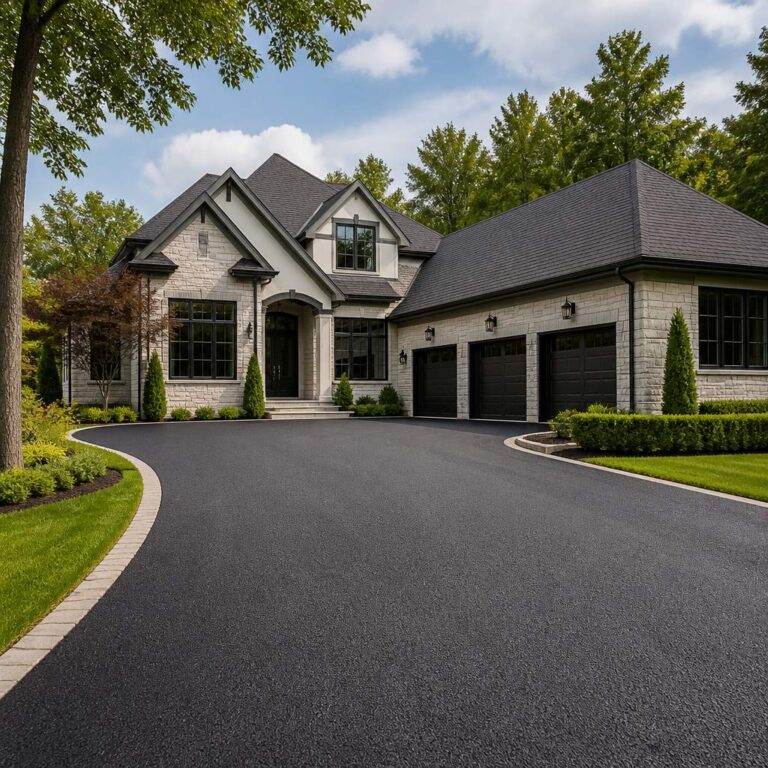
Landscaping is still the cheapest way to change how a house looks from the street. Fresh mulch, trimmed hedges, native plants that don’t need constant watering — small stuff that adds up. Drought-tolerant landscaping specifically is gaining ground, especially in areas dealing with water restrictions.
Decks and patios are worth a look too. Composite decking has taken over for a reason: it outlasts wood and doesn’t need the yearly maintenance. If your deck’s still in decent shape structurally, refinishing or staining it can buy you several more years before a rebuild is necessary.
Exterior painting doesn’t get much attention, but it’s one of the most reliable projects you can do. A fresh coat every seven to ten years protects your siding and keeps small problems from becoming expensive ones.
If your budget stretches further, a covered patio or fire pit area adds real usable space without the cost of a full addition — and it’s usually a lot less disruptive to build.
Smart Home and Technology Integration
Smart home tech has moved past the gadget-for-gadget’s-sake phase. People are buying devices that solve actual problems now, not just ones that sound cool.
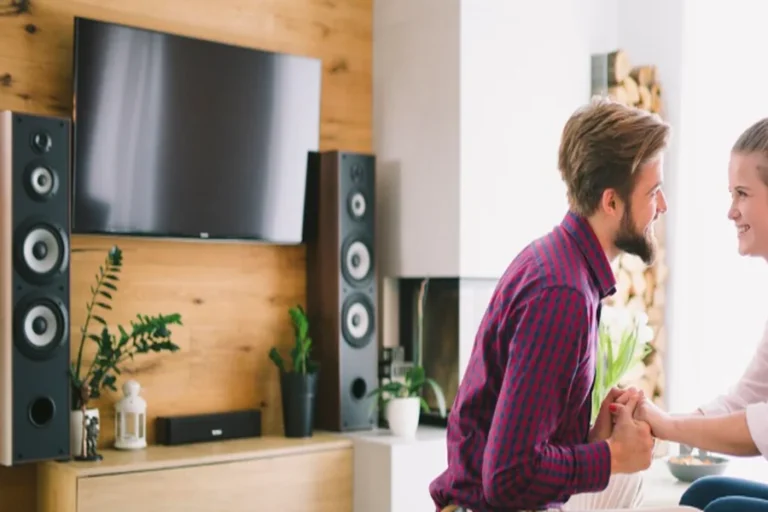
Smart locks and video doorbells remain the go-to for security, and they’re cheap enough that most people install them without hiring anyone. Smart lighting is similar — schedule it, control it remotely, and stop paying to light empty rooms.
Water leak monitors deserve more attention than they get. They catch leaks early, before they turn into a five-figure repair bill. Given how much water damage claims typically cost, this is a small investment that can save you a fortune down the line.
Not every smart device is worth buying, though. Before adding one more app to your phone, ask whether it’s actually solving something in your home — or just adding another thing to manage.
Budget-Friendly Projects for Renters and First-Time Homeowners
Not every improvement needs a big budget or a long-term commitment. If you’re renting or just bought your first place, you probably want changes that are cheap, quick, and reversible.
Paint is still king here. A weekend and a few cans can completely change how a room feels. Peel-and-stick backsplash tiles do something similar for kitchens — same visual impact as real tile, none of the permanence or cost.
Swapping out light fixtures, adding curtains, or installing a new faucet can each be done in an afternoon. Individually, these changes feel minor. Together, they shift how the whole house feels to live in.
Renters specifically should lean toward projects that don’t need landlord sign-off — furniture layout, removable wallpaper, smart plugs. Small moves, but they still make the space feel like yours.
Final Thought
Home improvement in 2026 isn’t about following every trend that shows up online. It’s about picking projects that actually fit your house, your budget, and how you live day to day. Energy efficiency upgrades tend to offer the strongest long-term payoff, while smaller updates to kitchens, bathrooms, and outdoor spaces can refresh a home without demanding a huge financial commitment.
Start with whatever bothers you most right now — a high energy bill, a dated kitchen, a yard that’s been neglected. Then prioritize from there based on time and budget. You don’t need to do it all at once. Small, steady updates usually add up to more value than one big renovation rushed through in a single stretch.