Understanding the Role of Physiotherapy in Maintaining Mobility and Physical Wellbeing
Maintaining good physical health involves more than regular exercise and a balanced diet. The ability to move comfortably, maintain strength, and perform everyday activities without unnecessary discomfort is equally important. However, factors such as prolonged sitting, repetitive movements, sports injuries, ageing, and previous surgeries can affect the way the body functions.
Physiotherapy plays an important role in helping individuals manage movement difficulties, recover from injuries, and improve physical function. It combines clinical assessment, therapeutic exercises, movement education, and other treatment techniques to address different musculoskeletal concerns.
Whether someone experiences occasional back discomfort or is recovering from a sports injury, understanding how physiotherapy works can help them make informed decisions about their physical wellbeing. Dimensions Point
- Understanding What Physiotherapy Involves
Physiotherapy is a healthcare discipline focused on improving movement, physical function, and overall mobility. It involves identifying factors that contribute to discomfort or movement limitations and developing appropriate strategies to address them.
A physiotherapist generally begins by understanding the individual’s medical history, lifestyle, symptoms, and physical activity levels. This may be followed by an assessment of joint movement, muscle strength, flexibility, balance, and functional ability.
Based on the findings, a suitable treatment plan can be developed according to the individual’s requirements and recovery goals.
Physiotherapy is not limited to people recovering from serious injuries. It can also benefit individuals experiencing recurring muscular discomfort, reduced mobility, or difficulties performing everyday activities.
The treatment approach varies depending on the condition. Some individuals may require supervised exercises, while others may benefit from manual therapy, movement education, or a combination of different techniques.
- The Importance of Physiotherapy for Injury Recovery
Physical injuries can affect people across different age groups and activity levels. Athletes may experience muscle strains, ligament injuries, or joint problems, while office workers may develop discomfort associated with repetitive movements and prolonged sitting.
Recovering from an injury involves more than simply waiting for the pain to disappear. Depending on the condition, individuals may also need to restore muscle strength, improve joint mobility, and gradually rebuild their ability to perform normal activities.
Physiotherapy can support this process through structured rehabilitation programmes. These programmes are generally designed around the nature of the injury, the individual’s physical condition, and their functional goals.
For example, someone recovering from an ankle sprain may require exercises that focus on balance, strength, and joint stability. An individual recovering from a shoulder injury may need a different approach involving controlled movements and progressive strengthening.
Returning to physical activity too quickly can increase the risk of further injury. A gradual rehabilitation process helps individuals understand their physical limitations and progress towards their usual activities with appropriate guidance.
- How Physiotherapy Helps Manage Common Musculoskeletal Problems
Musculoskeletal conditions affect the muscles, bones, joints, tendons, and ligaments. They can influence how people move, work, exercise, and complete everyday tasks.
Lower back discomfort is a common concern, particularly among individuals who spend long periods sitting or performing physically demanding activities. Physiotherapy may involve exercises that improve strength, mobility, and movement control.
Neck and shoulder problems can also develop due to repetitive movements, prolonged computer use, or physical strain. Treatment may focus on improving flexibility, addressing movement restrictions, and strengthening the surrounding muscles.
Knee problems are another common reason people seek rehabilitation. Depending on the underlying issue, treatment may include strengthening exercises, balance training, and guidance on managing physical activity.
Ankle and foot conditions can affect walking, running, and standing for extended periods. A suitable rehabilitation programme may help improve flexibility, stability, and functional movement.
For persistent or unexplained symptoms, an appropriate clinical assessment is important. The most suitable treatment depends on identifying the underlying factors rather than focusing exclusively on the location of discomfort.
- The Role of Physiotherapy in Sports Performance
People who participate in sports place different demands on their bodies depending on the activity. Running, football, swimming, weight training, and racket sports all involve specific movement patterns and physical requirements.
Regular training can improve strength and endurance, but inadequate recovery, sudden increases in training intensity, and repetitive loading may contribute to injuries.
Sports physiotherapy focuses on helping active individuals manage injuries and restore the physical abilities required for their chosen activities.
A rehabilitation programme may include strength training, flexibility exercises, balance activities, and sport specific movement practice. These exercises help individuals gradually rebuild their physical capacity before returning to demanding activities.
Physiotherapists may also assess movement patterns and identify areas that could benefit from additional conditioning. This can be useful for athletes who want to improve their physical preparation and manage recurring injuries.
For individuals who participate in recreational sports, physiotherapy can also provide useful guidance on training habits, recovery routines, and appropriate exercise progression.
- Why Post Surgical Rehabilitation Matters
Surgery involving the joints, muscles, or bones may temporarily affect mobility and physical independence. Even when a procedure is successful, individuals often require time and structured support to regain strength and confidence in movement.
Post surgical rehabilitation is designed around the type of operation, the individual’s recovery stage, and the recommendations of the treating medical team.
For example, someone recovering from knee replacement surgery may initially focus on improving joint movement and walking ability. As recovery progresses, exercises may gradually become more challenging to help rebuild strength and functional capacity.
People recovering from spinal or shoulder procedures may require different rehabilitation strategies, depending on their medical condition and surgical restrictions.
Following professional guidance is particularly important during this period. Exercises should be introduced progressively, and individuals should avoid activities that conflict with their post operative instructions.
Consistent rehabilitation can help patients work towards greater independence and a more comfortable return to daily routines.
- Different Physiotherapy Techniques and Treatments
Physiotherapy involves several techniques that can be selected according to an individual’s condition and treatment goals.
Manual therapy involves hands on techniques such as joint mobilisation and soft tissue treatment. These approaches may be used to address movement restrictions and manage certain musculoskeletal symptoms.
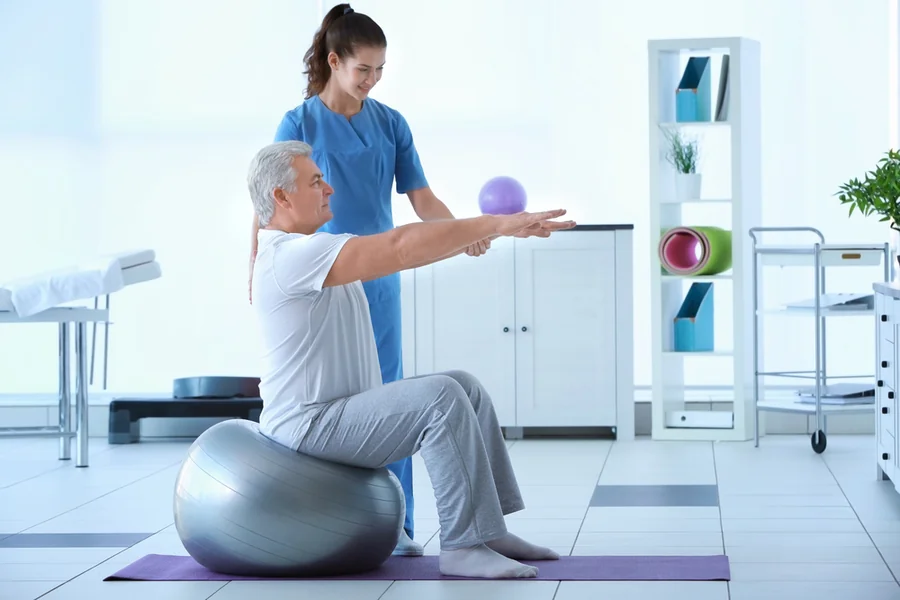
Therapeutic exercise is another important component. Exercises are selected to improve strength, flexibility, balance, coordination, and functional movement. They can also help individuals maintain progress between appointments.
Dry needling involves the use of fine needles inserted into selected muscle areas by appropriately trained practitioners. It may be considered as part of a broader treatment approach for certain musculoskeletal conditions.
Shockwave therapy uses acoustic waves delivered through specialised equipment. It may be considered for selected tendon and soft tissue conditions following an appropriate assessment.
Sports massage focuses on soft tissue techniques that may help manage muscular tension and post exercise soreness.
The choice of treatment should depend on individual assessment and current clinical evidence. No single technique is suitable for every condition, and treatment methods are often combined with exercise and education.
- The Importance of Personalised Rehabilitation Programmes
Every individual has different physical requirements, health backgrounds, and recovery expectations. A programme that works for one person may not be appropriate for another.
For this reason, personalised rehabilitation is an important part of physiotherapy. It allows treatment to reflect an individual’s current abilities, daily activities, and longer term goals.
Someone who spends most of the day working at a desk may benefit from a programme that addresses movement habits and general physical conditioning. An active individual recovering from a sports injury may require more specialised exercises that gradually prepare the body for higher physical demands.
Benchmark Physio is one example of a physiotherapy provider in Singapore offering individualised care across areas such as musculoskeletal pain, sports injuries, and post surgical rehabilitation. Understanding the assessment process and treatment approach offered by a provider can help individuals make more informed decisions about their rehabilitation needs.
Regular progress reviews can also help determine whether exercises or treatment strategies need adjustment as physical abilities improve.
- Making Physiotherapy Part of Long Term Physical Wellbeing
Physiotherapy should not always be viewed as something people consider only after experiencing an injury. Movement education and appropriate physical conditioning can also contribute to long term wellbeing.
Maintaining an active lifestyle, taking regular movement breaks, developing strength, and gradually increasing exercise intensity are useful habits for people with different activity levels.
Individuals who work at desks can benefit from changing positions regularly and incorporating movement into their daily routines. Those who participate in sports should pay attention to recovery and avoid increasing training loads too quickly.
It is equally important to recognise when professional advice may be necessary. Persistent pain, unexplained swelling, recurring injuries, or significant movement limitations should be assessed by an appropriate healthcare professional.
Developing a better understanding of physical health allows individuals to make more informed choices about exercise, recovery, and everyday movement.
Conclusion
Physiotherapy plays an important role in supporting mobility, managing musculoskeletal concerns, and helping individuals recover from injuries or surgery. Through clinical assessment, personalised exercises, movement education, and appropriate treatment techniques, it can help people work towards improved physical function and greater independence.
For individuals exploring physiotherapy options in Singapore, understanding the available services and the qualifications of healthcare professionals is an important starting point. Benchmark Physio provides an example of an evidence based approach to rehabilitation, with services covering sports injuries, musculoskeletal conditions, and post surgical recovery. Ultimately, taking a proactive approach to physical wellbeing can help individuals maintain an active lifestyle and manage their movement needs more effectively.