
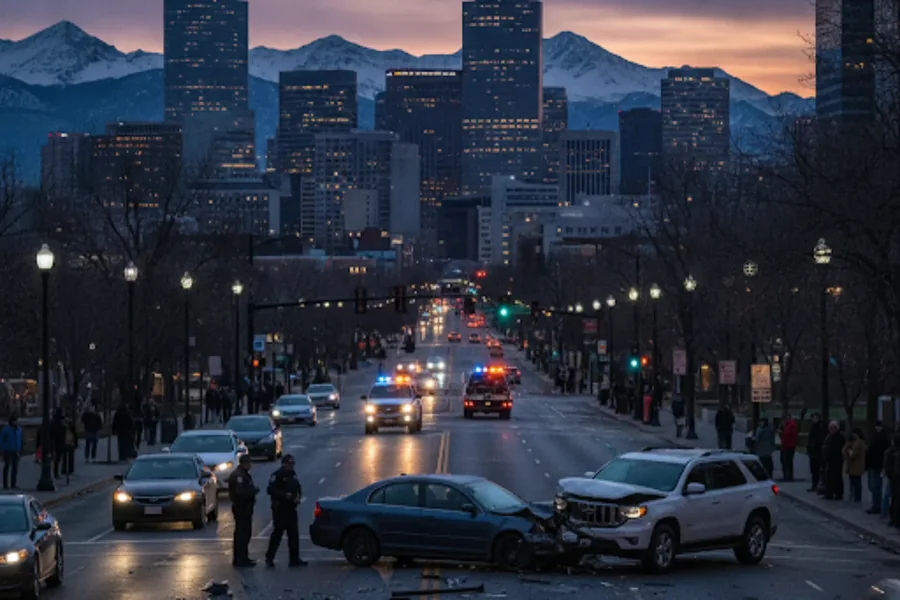
What to Do After a Pedestrian Accident in Denver, Colorado
Getting hit by a car while walking is one of the most frightening things that can happen on a city street. One moment you are crossing the road or stepping off a curb, and the next you are on the ground dealing with pain, confusion, and a lot of questions. Pedestrians have no metal frame, airbags, or seat belts to protect them, so even a crash at a low speed can cause serious harm.
The steps you take in the first few days can shape both your health and your ability to recover money for your losses. Speaking with a Denver pedestrian accident attorney can help you understand your rights, deal with insurance companies, and avoid mistakes that could weaken your case. This guide explains what to do, what common legal terms mean, and what Colorado law says about these claims.
Why Pedestrian Accidents Are So Serious
When a vehicle that weighs thousands of pounds strikes a person, the body takes the full force of the impact. Common injuries include broken bones, head and brain injuries, spinal cord damage, internal bleeding, and deep cuts. Many of these injuries need surgery, long hospital stays, or months of physical therapy.
The harm is not only physical. Many people struggle with fear of walking near traffic again, trouble sleeping, or stress over missed work and growing bills. These effects are real and can be part of an injury claim, so it is worth paying attention to them from the start.
Pedestrian Safety on Denver Streets
Denver is a city where many people get around on foot. Residents walk to work downtown, to light rail stations, to restaurants in neighborhoods like LoDo and Capitol Hill, and to games and concerts near Coors Field and Ball Arena. Busy roads such as Colfax Avenue, Federal Boulevard, and Speer Boulevard carry heavy traffic right next to crowded sidewalks and crosswalks.
The city has worked to make streets safer through its Vision Zero program, which aims to end traffic deaths and serious injuries. Even so, wide multi-lane roads, fast turns, and distracted driving still put people on foot at risk. Winter weather adds another layer of danger, since snow and ice make it harder for drivers to stop and harder for walkers to move quickly out of the way.
Steps to Take Right After the Accident
Your health comes first. Call 911, report the crash to police, and accept medical care at the scene if it is offered. Even if you feel fine, see a doctor soon after, because some injuries, such as concussions or internal damage, may not show clear signs for hours or even days.
If you are able, gather information before you leave the scene. Take photos of the area, the vehicle, any traffic signals, and your injuries. Get the driver’s name, license plate number, and insurance details, along with the names and phone numbers of any witnesses. Later, write down what happened while it is still fresh in your mind, and keep copies of your medical records, bills, and the police report.
Be careful about what you say to the driver or to insurance adjusters. Avoid apologizing or guessing about who caused the crash, because those words can later be used to argue that you were at fault.
Key Legal Terms Every Pedestrian Should Understand
Legal language can be confusing, especially when you are hurt and stressed. Knowing what a few common words mean can make the claims process much easier to follow.
Right of way means who has the legal right to go first. In many situations, drivers must yield to pedestrians in crosswalks, but pedestrians also have duties, such as not stepping suddenly into the path of a car that cannot stop in time.
Negligence happens when someone fails to use reasonable care and causes harm to another person. A driver who is texting, speeding, running a red light, or failing to look before turning may be considered negligent.
Comparative negligence is the rule Colorado uses when more than one person shares the blame. Under this rule, an injured person can still recover money as long as their share of fault is less than 50 percent. However, the amount they receive is reduced by their percentage of fault. For example, if you are found 20 percent at fault, your award would be reduced by 20 percent.
Statute of limitations is the legal deadline to file a lawsuit. In Colorado, most injury claims involving motor vehicle accidents must be filed within three years. Missing this deadline can mean losing the right to seek compensation entirely.
Uninsured and underinsured motorist coverage, often called UM/UIM, is part of your own auto insurance policy. It can help pay for your losses if the driver who hit you has no insurance, does not have enough insurance, or drove away from the scene.
Dealing With Insurance Companies
Insurance adjusters may contact you soon after the crash. Their job is to keep payouts low, so they may ask for a recorded statement or offer a quick settlement before you know how serious your injuries are. Once you sign a settlement, you usually cannot ask for more money later, so it is wise to understand the full cost of your care and lost income before agreeing to anything.
What Compensation May Cover
Every case is different, but a pedestrian accident claim may include both financial losses and personal losses. Economic damages can cover hospital bills, surgery, therapy, medication, and lost wages. Non-economic damages relate to pain, emotional distress, and the ways an injury limits your daily life.
If an injury causes lasting harm, a claim may also include the cost of future medical care or a reduced ability to earn a living. Keeping a simple journal about your pain levels, missed activities, and recovery progress can help show how the accident changed your life.
Safety Is a Shared Responsibility
Drivers carry the biggest duty on the road. They must watch for people on foot, slow down near crosswalks, and yield when the law requires it. The National Highway Traffic Safety Administration’s pedestrian safety guidance describes safety as a shared responsibility and also lists simple habits for walkers, such as crossing at crosswalks, staying off your phone near traffic, and wearing reflective clothing at night. These habits never excuse careless driving, but they can make you easier for drivers to see.
Frequently Asked Questions
How long do I have to file a pedestrian accident claim in Colorado? Most claims involving a motor vehicle must be filed within three years of the crash. It is still smart to act early, since camera footage and witness memories can fade quickly.
Can I get compensation if I was partly at fault? Yes, as long as your share of the fault is less than 50 percent. Your award is then reduced by your percentage of fault.
What if the driver left the scene? You may be able to file a claim through your own uninsured motorist coverage. Reporting the crash to police right away helps support that claim.
Protecting Your Health and Your Claim
A pedestrian accident happens in seconds, but its effects can last for months or even years. Getting medical care, saving evidence, and learning the basic legal terms are strong first steps toward protecting yourself. Colorado’s fault rules and filing deadlines also make it important to act sooner rather than later.
If you were hurt while walking in Denver, talking with a lawyer who handles these cases can help you understand what your claim may be worth and which options make sense for your situation. With the right information and support, you can focus on healing while your rights stay protected.