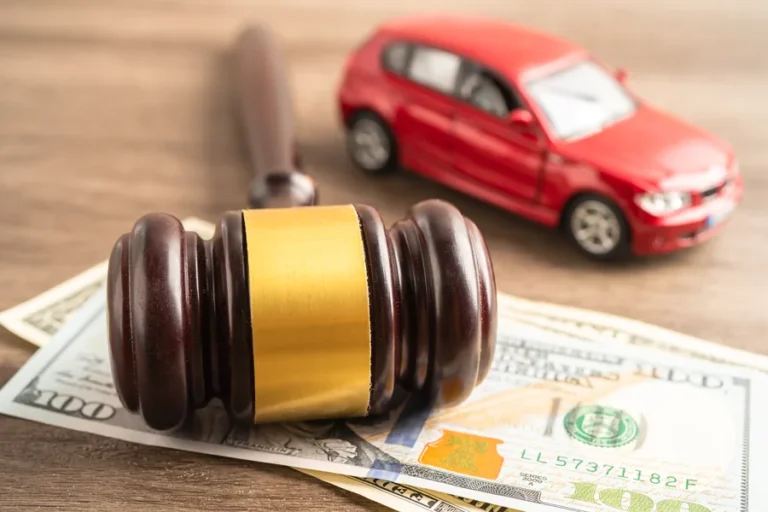

Suing for Negligence After a Car Crash: What Injured Drivers Should Know
Yes, you can sue for negligence after a car accident. A lawsuit is often the next step when an insurer denies a claim or offers far less than your losses. The catch is that you must prove the other driver's carelessness caused the crash and your injuries.
What Negligence Means in a Car Accident Case
Negligence is a failure to use the care a reasonable person would use in the same situation. A driver who blows through a red light is a textbook example.
Fault can look obvious at the scene. Insurance companies still rarely accept blame without a fight, so understanding the legal standard early gives you a real advantage.
The Four Elements of a Negligence Claim
Every negligence case rests on four elements. Miss one, and the claim can fall apart.
Duty of Care
Every driver must operate a vehicle safely and obey traffic laws. This duty applies to everyone on the road.
Breach of Duty
You must show how the other driver broke that duty. Police reports, witness statements, dashcam video, and scene photos are common forms of proof.
Causation
The breach must be directly tied to the crash and your injuries. Accident reconstruction specialists and medical experts often help connect the dots.
Damages
You must have suffered real harm, such as medical bills, vehicle damage, lost income, or pain and suffering. Without documented losses, a claim cannot move forward.
When Filing a Lawsuit Makes Sense
Most car accident claims settle through insurance negotiations and never reach a courtroom. Certain situations, though, call for legal action.
Your Damages Exceed the Policy Limits
Catastrophic injuries like traumatic brain injuries and spinal cord damage can produce bills that surpass the at-fault driver's coverage. Future treatment, long-term rehabilitation, and a reduced quality of life add to the total.
In these cases, a lawsuit may be the only way to cover ongoing care.
The Insurer Denies or Undervalues Your Claim
Insurers sometimes deny claims or offer settlements that fall short of your medical bills and lost wages. Suing the driver, rather than the insurance company, lets you present your case to a judge or jury.
That gives you a chance to argue for full compensation instead of accepting whatever the insurer decides.
The At-Fault Driver Has No Insurance
You can sue an uninsured driver. Collecting on a judgment is harder if that person has few assets, so an attorney can help you weigh whether the effort is worthwhile.
Uninsured and Underinsured Motorist Coverage
Your own policy may offer another path. Uninsured and underinsured motorist coverage can pay for medical expenses and property damage, up to your policy limit, when the other driver lacks adequate insurance.
Insurers must offer this coverage on every policy, though policyholders can decline it in writing. If you are unsure whether you have it, review your policy or ask your insurer directly.
Common Examples of Negligent Driving
Certain behaviors appear again and again in negligence claims:
- Speeding or driving far below the speed limit
- Running red lights or stop signs
- Following too closely
- Failing to yield to other vehicles or pedestrians
- Driving under the influence of alcohol or drugs
- Driving while fatigued
- Texting or using a phone behind the wheel
- Aggressive driving or road rage
- Making unsafe lane changes
- Neglecting basic vehicle maintenance
What If You Share Some of the Blame?
Sharing fault does not automatically end your claim. In states with comparative negligence rules, you can often still recover compensation, though the amount may be reduced by your percentage of fault.
Here is an example. If you are found 10 percent responsible and a court awards $20,000, you may collect $18,000.
Insurers know this, and many try to shift extra blame onto injured drivers to shrink payouts. Shared fault cases tend to be more contested and need stronger evidence to protect a claim's full value.
Frequently Asked Questions
Is it worth suing after a car accident?
It can be, especially when insurance limits are exhausted and medical expenses remain unpaid. A lawsuit may be the best route to additional compensation.
What damages can I recover?
Recoverable damages often include medical expenses, lost wages, pain and suffering, property damage, and household costs tied to your injury.
How long do I have to file?
Deadlines vary by state and circumstance. Acting quickly and speaking with an experienced car accident attorney helps you avoid missing the filing window.
How an Experienced Car Accident Attorney Can Help
Negligence claims involve strict evidence requirements and tight deadlines. An attorney can gather the proof needed to establish duty, breach, causation, and damages, and can handle negotiations with insurance adjusters for you.
If a fair settlement is out of reach, a skilled personal injury law firm in your area can guide you through litigation and fight for the compensation you deserve. A free consultation is often the best first step toward understanding your options after a crash.