
How to Choose the Right Utilities for Your Restaurant
Launching a new restaurant is an exciting journey that requires balancing culinary vision, interior aesthetics, and operational planning. Behind every sleek dining room and high-efficiency kitchen lies a complex network of utility infrastructure powering daily operations. Choosing the right electrical, gas, water, and climate control utilities ensures commercial equipment runs smoothly, prevents costly service disruptions, and keeps utility expenses manageable. Proper utility selection lays a reliable foundation for long-term restaurant success.
Evaluate Commercial Electrical Infrastructure and Capacity Demands
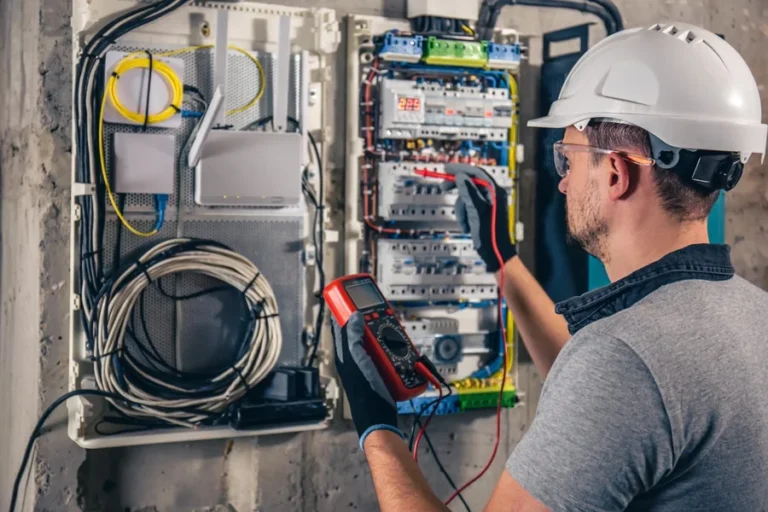
Commercial restaurant kitchens consume massive amounts of electricity to run cooking appliances, refrigeration units, exhaust hoods, and dining room lighting. Selecting the right electrical utility setup begins with calculating total connected load requirements across all planned equipment. Underestimating power demands leads to frequent circuit breaker trips, blown fuses, and potential electrical fires during peak dining rushes.
Work with a licensed commercial electrician to verify that the prospective building features adequate three-phase electrical service. Three-phase power delivers electricity efficiently to heavy commercial appliances like walk-in freezers, double-deck convection ovens, and commercial dishwashers. Upgrading a building’s electrical panel from single-phase to three-phase or expanding amperage capacity requires significant capital expenditure and municipal permitting, making early building utility evaluations critical.
Additionally, plan for dedicated circuits for sensitive electronic hardware, such as point-of-sale terminals, digital kitchen display systems, and audio networks. Isolating electronic systems on dedicated circuits shields delicate microprocessors from electrical noise and voltage spikes caused by large compressor motors cycling on and off in walk-in coolers. Proper electrical load distribution guarantees stable, uninterrupted kitchen performance.
Determine Thermal Energy Sources and Gas Infrastructure Needs
Choosing between natural gas, liquid propane, and all-electric cooking equipment impacts long-term operational costs, cooking speeds, and kitchen temperature management. Natural gas remains the preferred energy source for high-volume commercial kitchens due to instant heat control, high British Thermal Unit output, and lower operating costs compared to electricity. Assessing available gas utility hookups guides smart equipment purchasing decisions.
If the venue lacks municipal natural gas service, installing on-site liquid propane storage tanks provides an efficient alternative energy source for high-heat equipment like ranges, charbroilers, and deep fryers. Partnering with certified commercial fuel suppliers guarantees proper installation of heavy-duty gas supply equipment, including pressure regulators, emergency shut-off valves, flexible stainless steel connectors, and gas detection safety monitors. Safe fuel infrastructure prevents hazardous gas leaks and ensures steady burner output during peak cooking hours.
Proper gas piping sizing is equally critical to prevent burner performance drops when multiple appliances operate simultaneously. Running undersized gas supply lines causes flame flickering and slow recovery times on deep fryers, extending food preparation times. Ensuring gas infrastructure delivers adequate volume and pressure maintains kitchen speed and consistent food quality.
Installing Automated Emergency Gas Shut-Off Valves
Commercial kitchen fire codes require installing automated gas shut-off valves connected directly to the kitchen hood fire suppression system. In the event of a kitchen fire, the suppression system triggers the emergency valve to cut fuel flow instantly, starving flames.
Testing emergency shut-off valves regularly ensures compliance with local municipal fire codes and insurance standards. Automated safety systems protect kitchen staff, physical property, and neighboring commercial tenants.
Selecting High-Efficiency Gas Appliances for Cost Control
Modern energy-efficient gas ranges, fryers, and ovens utilize advanced burner technology to maximize heat transfer while reducing fuel consumption. Investing in high-efficiency gas equipment lowers monthly utility bills significantly over time.
Many local utility providers offer financial rebates for installing energy-efficient commercial kitchen equipment. Leveraging utility rebate programs offsets initial equipment costs while lowering long-term operating overhead.
Calculate Water Supply, Drainage, and Waste Management Demands
Water is an indispensable utility across every operational area of a restaurant, from food prep and ice making to dishwashing and restrooms. Selecting the correct water utility capacity involves evaluating incoming water pipe pressure, pipe volume, and water heater recovery rates. Inadequate water pressure slows down dishwashing cycles and starves commercial ice machines, causing operational bottlenecks.
Hot water demand in commercial kitchens is exceptionally high, requiring dedicated commercial water heaters capable of maintaining continuous high-temp output. Health codes dictate strict water temperature standards for warewashing and handwashing sinks to eliminate bacteria effectively. Installing tankless water heating arrays or heavy-duty commercial booster heaters guarantees a continuous supply of sanitizing hot water without running cold during busy dinner rushes.
Drainage utility infrastructure requires equal attention to prevent backing up grease-laden wastewater into food prep zones. Installing properly sized exterior or interior grease traps intercepts fats, oils, and grease before wastewater enters municipal sewer lines. Regular grease trap maintenance prevents severe sewer line clogs, expensive municipal fines, and unsanitary kitchen back-ups.
Installing Water Filtration Systems for Equipment Protection
Municipal tap water often contains dissolved minerals, chlorine, and sediment that scale internal boiler components and ruin food flavors. Installing commercial reverse osmosis or carbon filtration systems protects ice machines, espresso units, and combi-ovens from mineral scale.
Filtered water improves the taste of fountain beverages, coffee, and ice while extending expensive equipment lifespans. Protecting appliances from scale accumulation lowers maintenance fees and prevents unexpected breakdowns.
Sizing In-Ground Grease Interceptors for Municipal Compliance
Environmental regulations mandate installing specific grease interceptor capacities based on total kitchen sink fixtures and seating counts. Under-sizing grease interceptors leads to rapid overflow and municipal code violations.
Working with civil engineers to calculate correct grease trap volumes ensures smooth municipal permit approvals. Compliant wastewater systems protect public sewage infrastructure and prevent costly environmental cleanups.
Optimize Heating, Ventilation, and Air Conditioning Systems
Commercial kitchen exhaust hoods pull massive volumes of air out of the building to remove heat, smoke, grease particles, and combustion gases generated by cooking equipment. Choosing the right HVAC utilities involves balancing exhaust extraction with dedicated Dedicated Outdoor Air Systems, commonly called make-up air units. Without adequate make-up air, kitchens develop negative air pressure, causing doors to slam shut and drawing hot, humid air into the dining room.
Negative air pressure strains dining room air conditioning units, leading to uncomfortable dining temperatures, high humidity levels, and excessive utility bills. Installing variable-speed exhaust hood systems utilizes optical sensors to adjust fan speeds based on active cooking smoke and heat levels. Variable-speed exhaust technology cuts HVAC electrical usage by reducing conditioned air loss during slow operational hours.
Maintaining comfortable dining room temperatures requires separate HVAC zoning from the kitchen area. Dedicated thermostat controls allow managers to adjust dining room climate settings based on customer seating density and outdoor weather changes. Balanced HVAC utility design creates a comfortable, welcoming environment for guests while keeping kitchen workspaces safe and ventilated.
Utilizing Heat Recovery Ventilators for Energy Efficiency
Heat recovery ventilation systems capture thermal energy from kitchen exhaust air and transfer it to preheat incoming fresh make-up air during cold weather. Reusing waste thermal energy reduces heating loads on commercial HVAC systems significantly.
Integrating heat recovery technology lowers winter utility bills while maintaining fresh indoor air circulation. Sustainable climate control improves energy efficiency ratings across the entire building footprint.
Implementing Smart Thermostat Zoning Across Seating Areas
Dividing dining areas, bar lounges, and private party rooms into distinct thermal zones allows for precise temperature adjustments across different seating spaces. Smart thermostats adjust cooling and heating output based on real-time occupancy levels.
Automated zoning prevents over-cooling empty dining sections, optimizing electricity consumption throughout operating hours. Balanced climate control enhances guest dining comfort while lowering monthly energy spend.
Evaluate Municipal Waste, Recycling, and Utility Rates
Beyond electricity, gas, water, and HVAC, managing solid waste and recycling collection represents an ongoing utility expenditure for commercial restaurants. High volumes of food scraps, glass bottles, cardboard packaging, and cooking oil require dedicated waste disposal infrastructure and reliable municipal or private collection schedules. Selecting optimal waste management options keeps loading docks clean and pest-free.
Conducting a waste volume audit helps determine appropriate dumpster sizes and collection frequencies for trash, recyclable cardboard, and organic compost. Partnering with certified grease recycling companies provides free or rebate-supported collection of used fryer oil, turning waste into renewable biofuel while keeping waste bins clean. Proper waste stream segregation lowers municipal tipping fees and supports local environmental sustainability goals.
Additionally, analyze local commercial utility rate structures to identify off-peak billing incentives, demand charges, and time-of-use rate adjustments. Scheduling heavy energy tasks—such as running automated dishwasher self-cleaning cycles or running ice makers—during off-peak overnight hours takes advantage of lower electricity rates. Strategic utility scheduling trims monthly operating expenses without altering service quality.
Setting Up Organics Composting for Waste Reduction
Diverting food prep scraps and unconsumed plate waste into commercial composting bins reduces trash dumpster volume significantly. Many municipalities offer discounted utility collection rates for commercial organic composting programs.
Composting food waste lowers landfill contribution rates while demonstrating environmental responsibility to eco-conscious diners. Sustainable waste management improves brand reputation and cuts monthly trash disposal fees.
Managing Electrical Peak Demand Charges
Commercial electric utility bills include peak demand charges based on the highest energy consumption spike registered during a billing cycle. Staggering morning equipment startup schedules prevents massive electrical demand spikes.
Turning on heavy ovens, fryers, and HVAC units sequentially rather than simultaneously lowers peak demand readings. Smart equipment management protects monthly operational budgets from unexpected utility surcharges.
Conclusion
Choosing the right utilities for a new restaurant requires a comprehensive, strategic approach that encompasses electrical capacity sizing, fuel infrastructure planning, water and drainage management, balanced HVAC design, and efficient waste handling. By evaluating utility needs early, investing in high-efficiency appliances, and complying with local health and building codes, restaurant owners establish a resilient operational foundation. Smart utility decisions protect capital investments, lower ongoing operating overhead, and ensure a seamless, comfortable dining experience for every guest.