
Tarot Reading in Singapore: Understanding Tarot, Intuition and Personal Reflection
Tarot has become a popular form of personal reflection for people looking for a different way to think about relationships, career decisions, emotional experiences and important periods of change. While tarot is often associated with predictions about the future, many modern readers approach the cards as a reflective tool that encourages clients to examine their circumstances, feelings and possible choices from a different perspective.
For people exploring tarot reading in Singapore, understanding how a session works can make it easier to approach the experience with realistic expectations and an open mind.
What Is a Tarot Reading?
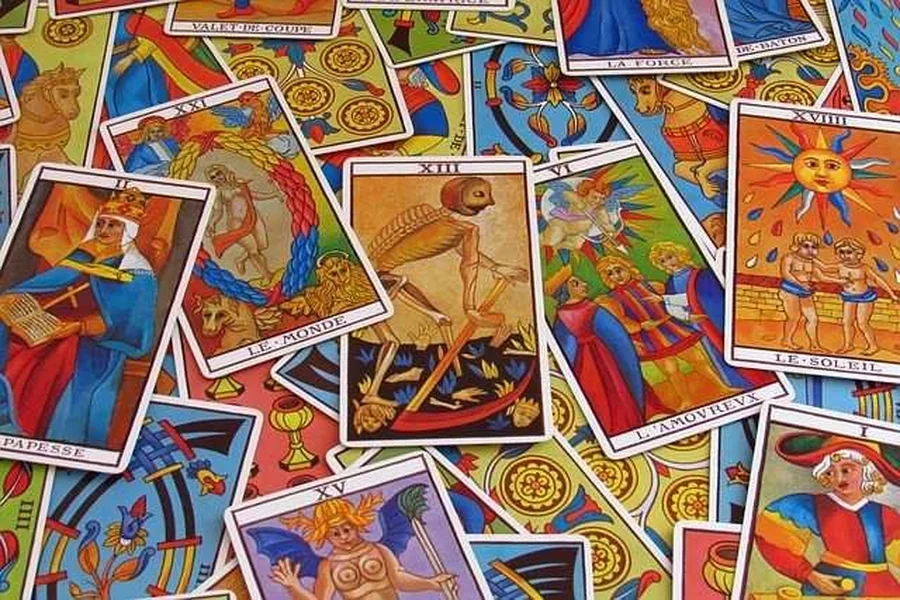
A tarot deck traditionally contains 78 cards divided into the Major Arcana and Minor Arcana. Each card has established imagery and symbolic associations, but its interpretation can vary according to the question, the surrounding cards and the reader’s approach.
During a reading, a person may bring a particular question or simply ask for a general reading. The reader selects cards using a particular spread or method and interprets the relationships between them.
Rather than treating every card as an isolated prediction, a reading can consider themes, patterns and contrasts across the spread. This can make the session more conversational and reflective.
How Tarot Can Support Personal Reflection
One reason people seek tarot is to gain another perspective when they feel uncertain about a situation. Asking a carefully framed question can encourage someone to think more deliberately about what they want, what they fear and what options may be available.
For example, someone considering a career change might use a reading to explore questions about motivation, uncertainty and priorities. Someone experiencing relationship difficulties might use the session as an opportunity to reflect on communication, expectations and emotional boundaries.
The value of this process can come from reflection rather than treating the cards as an objective method of establishing facts.
Different Types of Tarot Questions
The quality of a tarot session can depend partly on how a question is framed. Broad questions can leave considerable room for interpretation, while focused questions can encourage more useful discussion.
Questions might explore areas such as:
- Relationships and emotional patterns
- Career direction
- Personal goals
- Major life transitions
- Decision-making
- Confidence and self-reflection
- Short-term priorities
A reader may also suggest reframing questions that ask for an absolute prediction. Instead of asking whether a particular event will definitely happen, a person could ask what factors may be influencing the situation or what they should consider before making a decision.
Major Arcana and Minor Arcana
The tarot deck is divided into two primary sections.
The Major Arcana contains 22 cards traditionally associated with significant themes and stages of personal development. Cards such as The Fool, The Magician, The Hermit and The World are commonly interpreted in relation to broader experiences, transitions and personal themes.
The Minor Arcana contains 56 cards divided into four suits. These cards can be used to explore more everyday experiences, actions, relationships, thoughts and circumstances.
The combination of Major and Minor Arcana cards in a spread can create a more detailed narrative rather than relying on a single card.
The Importance of the Tarot Reader
Tarot interpretation is not purely about memorising card definitions. Readers develop different approaches to symbolism, questioning and communication.
An experienced reader may consider the imagery of a card, its traditional meaning, its position in the spread and how it relates to the client’s question. Some readers also incorporate intuitive interpretation into their sessions.
Communication is equally important. A good session should give the client an opportunity to explain their situation rather than presenting every interpretation as an unquestionable fact.
Tarot and Personal Decisions
Tarot can be used as a reflective exercise when making decisions, but important choices should still be based on appropriate real-world information.
For financial, medical, legal or other high-stakes decisions, tarot should not replace qualified professional advice or factual research. Instead, a reading can be viewed as an opportunity to identify questions, emotions or perspectives that a person may want to explore further.
This distinction is particularly useful when approaching a reading with an open but grounded mindset.
What to Expect During a Reading
A tarot session can vary depending on the reader and the type of reading selected. A typical session may begin with a discussion about what the client wants to explore.
The reader then chooses an appropriate spread and draws the cards. The interpretation develops as the cards are considered together.
Some sessions may focus on one specific question, while others may cover several connected themes. The client can generally ask follow-up questions and provide additional context as the interpretation develops.
The experience is therefore often more interactive than simply receiving a list of card meanings.
Preparing for a Tarot Session
There is no special preparation required for a tarot reading, but spending a few minutes thinking about what you genuinely want to explore can make the session more focused.
It can help to identify the main issue rather than arriving with a long list of unrelated questions. Writing down a few thoughts beforehand can also make it easier to recognise which parts of the reading are particularly relevant.
Approaching the session without demanding a predetermined answer can be useful as well. Tarot is generally more interesting as a reflective process when the person remains open to perspectives they may not have considered previously.
Finding a Tarot Reader in Singapore
When choosing a reader, clients can consider the reader’s experience, communication style, reading format and approach to interpretation. It is also worth understanding what is included in a session before booking.
People searching for tarot reading in Singapore may find different styles ranging from traditional card interpretation to intuitive or spiritually oriented readings. Since approaches vary significantly, selecting a reader whose style matches the client’s expectations can make the experience more comfortable.
It is also sensible to look for clear information about session duration, location or online availability, pricing and booking arrangements.
Tarot as a Tool for Self-Discovery
Tarot does not have to be approached solely as a method of predicting future events. For many people, its value lies in creating a structured moment to pause and examine a situation from another angle.
The imagery of the cards can provide prompts for discussion, while the questions asked during a reading can encourage deeper consideration of personal priorities and emotions.
Ultimately, the most useful tarot session is one that leaves the person with greater clarity about the questions they want to explore and the choices they can make. Used as a reflective practice rather than a substitute for evidence-based decision-making, tarot can provide an engaging way to pause, think and consider a situation from a fresh perspective.