Kentucky No-Fault Insurance Explained for Lexington Car Accident Victims
After a crash, most people expect the at-fault driver’s insurance to pay for everything. In Kentucky, it usually does not work that way, at least not at first. The state uses a no-fault insurance system, and its rules decide which policy pays your early medical bills, how much of your lost pay is covered, and whether you can sue the driver who hit you.
These rules confuse even careful drivers, and the terms on an insurance letter can feel like a foreign language. Talking with a car accident injury lawyer in Lexington can help you make sense of your coverage before you sign anything. This guide breaks down the key terms in plain language so you know what to expect.
The Meaning of “No-Fault” in Kentucky
The phrase “no-fault” is a bit misleading. It does not mean nobody is blamed for the crash. It means your own auto policy pays certain early costs no matter who caused the accident. That coverage is called Personal Injury Protection, often shortened to PIP. Kentucky law also calls it Basic Reparation Benefits, or BRB, so you may see either term in your paperwork.
The idea behind the system is speed. Instead of waiting months for insurers to argue over fault, injured people can get help with medical bills and lost wages right away. The tradeoff is that the system also places limits on lawsuits for smaller injuries, which is explained below.
The Basics of PIP Coverage
Most Kentucky auto policies include $10,000 in basic PIP benefits per person. This money can go toward medical treatment, a portion of lost wages, help with household tasks you cannot do while injured, and certain funeral costs. Drivers can also buy added PIP coverage for more protection.
Lost wage benefits have weekly limits. Under a law that took effect on July 15, 2026, the weekly cap for work loss and related benefits rose from $200 to $500. That change matters a lot for people who miss weeks of work, but the $10,000 total still runs out quickly after a hospital stay. Once PIP is used up, other coverage has to fill the gap.
The Tort Threshold and Your Right to Sue
“Tort” is the legal word for a civil wrong, like careless driving that injures someone. In Kentucky’s no-fault system, you can only file an injury claim against the at-fault driver for pain and suffering if your case meets a certain threshold.
Generally, that means your reasonable medical expenses go over $1,000, or your injuries include a broken bone, permanent disfigurement, a permanent injury, or death. Many crash injuries meet this bar, but some minor ones do not. If your case crosses the threshold, you can pursue a claim against the other driver for losses beyond what PIP pays.
A Simple Example
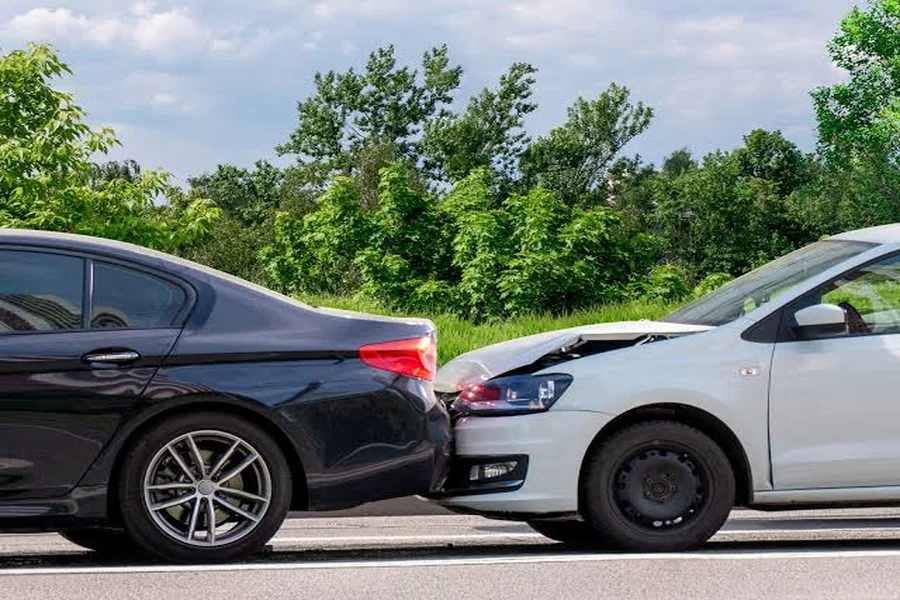
Picture a driver who is rear-ended at a red light. Her emergency room visit, X-rays, and six weeks of physical therapy add up to $14,000, and she misses three weeks of work.
Her own PIP coverage pays first, up to $10,000, covering medical bills and part of her lost income. Because her medical costs are well over $1,000, she meets the tort threshold. That means she can bring a claim against the at-fault driver’s liability insurance for the medical bills PIP did not cover, the rest of her lost wages, and her pain and suffering. Without understanding these steps, she might have stopped after PIP and left thousands of dollars on the table.
The Usual Order of Coverage
While every case is different, payment after a Kentucky crash often follows this general order:
- Your PIP benefits pay first for medical bills and part of your lost income, up to your policy limit.
- The at-fault driver’s liability insurance can pay for remaining losses once the tort threshold is met.
- Your uninsured or underinsured motorist coverage can step in if the other driver has no insurance or too little to cover your losses.
- Health insurance may help with medical bills in some situations, though it may seek repayment later.
Rejecting No-Fault and Other Choices Drivers Make
Kentucky is known as a “choice” no-fault state. Drivers can file a written rejection form with the Department of Insurance to keep their full right to sue without meeting the threshold. People who reject no-fault give up their basic PIP benefits unless they buy them back, and others keep the full right to sue them as well. This choice can change how a claim works, so it is worth checking whether you or the other driver ever filed one.
The Kentucky Department of Insurance guide to no-fault coverage explains these options in more detail, though readers should keep in mind that some benefit amounts changed in 2026.
Two Other Rules That Shape Every Claim
Kentucky follows a pure comparative fault rule. If you were partly to blame for a crash, you can still recover money, but your award is reduced by your share of fault. Insurers often use this rule to argue that a victim was speeding or not paying attention, so clear evidence matters.
Deadlines also matter. Kentucky generally gives injured people two years from the crash or from the last PIP payment to file a lawsuit, whichever is later. Claims involving government vehicles may have shorter notice rules. Waiting too long can end a claim no matter how strong it is.
Car Accidents on Lexington Roads
Lexington’s mix of busy city routes and scenic country roads creates its own risks. New Circle Road, Nicholasville Road, and Man o’ War Boulevard carry heavy traffic and frequent lane changes, while the I-75 and I-64 interchange brings a steady stream of trucks and travelers through the area. Game days near the University of Kentucky and big crowds at Rupp Arena or Keeneland add congestion, and the narrow two-lane roads that wind past horse farms on routes like Paris Pike can be dangerous after dark. Depending on where a crash happens, the report may come from Lexington police or Kentucky State Police, and larger injury lawsuits are usually filed in Fayette Circuit Court. Knowing these local details helps when gathering reports and evidence.
Protecting Your Claim From Day One
Get medical care right away, even if you feel fine, and follow your doctor’s plan. Report the crash to your own insurer promptly so your PIP benefits can start. Keep every bill, pay stub, and letter from an insurance company, and avoid giving a recorded statement to the other driver’s insurer before getting advice.
Making Sense of Your Options
Kentucky’s no-fault system can help injured people get early support, but its limits and choices can easily trip up anyone who is unfamiliar with them. Understanding PIP, the tort threshold, comparative fault, and filing deadlines puts you in a stronger position to recover what you truly need. For Lexington drivers, getting clear answers early can turn a confusing insurance process into a manageable path toward recovery.