
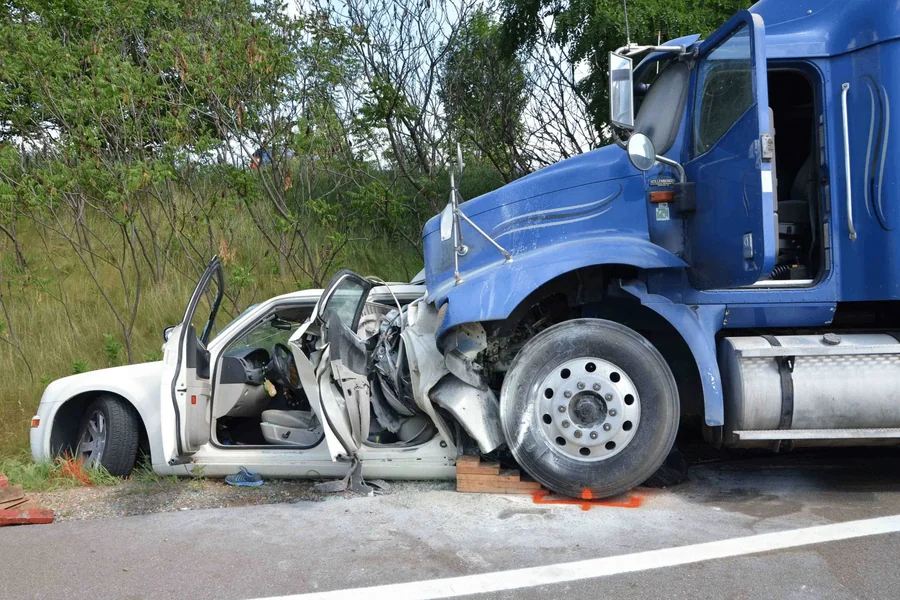
Steps That Help Protect a Truck Accident Injury Claim
A serious collision involving a commercial truck can leave an injured person facing medical bills, missed work, and weeks of uncertainty. Early truck accident claim assistance can help explain the steps involved, preserve important records, and prevent avoidable mistakes while a claim is reviewed.
Why Truck Accident Claims Can Be Complicated
A crash involving a large truck may raise questions that do not arise in a typical car collision.
The size and weight of commercial vehicles can also lead to severe injuries, including fractures, spinal damage, head trauma, and internal injuries. Some symptoms appear later, so medical assessment matters. A claim should reflect the full impact of the injury, not just the first emergency room bill.
Start With Safety and Medical Care
After a collision, move away from traffic if it is safe to do so and contact emergency services when needed. Follow medical advice and keep copies of treatment records.
A clear medical record can connect the injuries to the collision and show how recovery progresses. Tell healthcare providers about new symptoms and limits on daily activities. Accurate information supports care and creates a reliable record.
Preserve Evidence Before It Disappears
Useful evidence can be lost as damaged vehicles are repaired, surveillance footage is overwritten, and witnesses become harder to reach. Photograph vehicle damage, road conditions, visible injuries, and the scene. Save witness details and the incident number.
Other records may help establish the cause of a collision. These may include police reports, driver logs, inspection records, maintenance history, cargo documents, and truck data. The Federal Motor Carrier Safety Administration provides information about commercial driver hours and related safety requirements through its Motor Carrier Safety Planner.
Do not alter, delete, or edit original photographs, messages, or documents. Keep copies in a secure place and note when and where each item was obtained. If a business or camera owner has footage, ask promptly whether it can be preserved.
Understand Who May Be Responsible
Responsibility depends on evidence, applicable law, and the details of the crash. A driver may have followed too closely, changed lanes carelessly, or driven while impaired or tired. A carrier may face questions about hiring, scheduling, or maintenance. A repair contractor or cargo handler may also be relevant if its work contributed to the collision.
Commercial trucking is subject to federal safety rules as well as state laws. The Federal Motor Carrier Safety Administration explains its role in overseeing commercial motor vehicle safety. A rule violation can be important evidence, but it does not automatically decide who is legally responsible. Investigators must connect the facts to the collision and consider any defenses raised by the parties.
Keep a Clear Record of Financial Losses
Keep records safe and organized.
A claim may include losses beyond immediate medical expenses. Compensation may cover future treatment, rehabilitation, lost income, reduced earning ability, property damage, and pain, depending on the facts and applicable law.
Create a simple file for bills, receipts, wage statements, repair estimates, and travel costs for medical appointments. If an injury affects work, ask an employer for records of missed shifts, reduced hours, or modified duties. Keep a short, factual journal describing changes in mobility, sleep, household tasks, and activities that were once routine.
Do not assume that an early estimate captures every future cost. Medical opinions and financial records can help assess long-term impact before settlement.
Be Careful With Insurance Communications
An insurer may request a statement, medical authorization, photographs, or other documents soon after a crash. Understand each request before signing. Avoid guessing about fault or posting detailed claims about the crash on social media.
A quick settlement can appear helpful when bills are arriving, but an offer may not account for future care or lost earning capacity. Once a release is signed, it may be difficult or impossible to seek more compensation for the same injuries. Review the terms carefully and consider legal advice before accepting an offer, especially if the extent of the injury remains unclear.
Watch Deadlines and Get Advice Early
Legal deadlines vary by jurisdiction and by the type of claim. Special rules may apply if a public agency is involved or if the injured person is a minor. Delay can limit options, while early action may help preserve records and locate witnesses. An attorney can explain deadlines and evaluate possible sources of recovery.
Legal guidance can also help organize communications, identify potentially responsible parties, and estimate damages using available evidence. Ask about the attorney’s experience with commercial vehicle cases, who will handle daily questions, how fees work, and what steps may be needed next. Clear answers help people make informed choices without promises about a particular result.
Practical Steps to Take After a Truck Collision
- Get medical care and follow the treatment plan.
- Save photographs, witness details, police information, and bills.
- Keep a record of missed work and changes in daily activities.
- Avoid signing a release or accepting a settlement before understanding its effect.
- Seek advice promptly about evidence, responsibility, and filing deadlines.
These actions cannot undo a collision, but they can help keep the facts organized and reduce the risk of missing important details during recovery.
Frequently Asked Questions
What evidence is most useful after a truck accident?
Police records, scene photographs, witness information, medical records, and repair estimates can all help. Depending on the case, driver logs, inspection reports, maintenance files, and electronic truck data may also matter.
Can more than one party be responsible?
Yes. Responsibility may involve a driver, carrier, maintenance provider, cargo handler, or another party. The evidence and applicable law determine whether any party is legally liable.
Should an injured person accept an early insurance offer?
Not without understanding the injuries, likely future costs, and terms of the release. An attorney or other qualified adviser can explain the options and help assess whether the offer reflects the available evidence.
A Careful Process Supports Better Decisions
Recovering after a truck collision takes time, and managing a claim can add pressure. Medical care, organized records, timely evidence preservation, and informed communication can make the process easier to navigate. Each case turns on its own facts, so no checklist can guarantee a particular outcome. Taking practical steps early can, however, help an injured person understand available options and make decisions based on reliable information rather than pressure or guesswork.